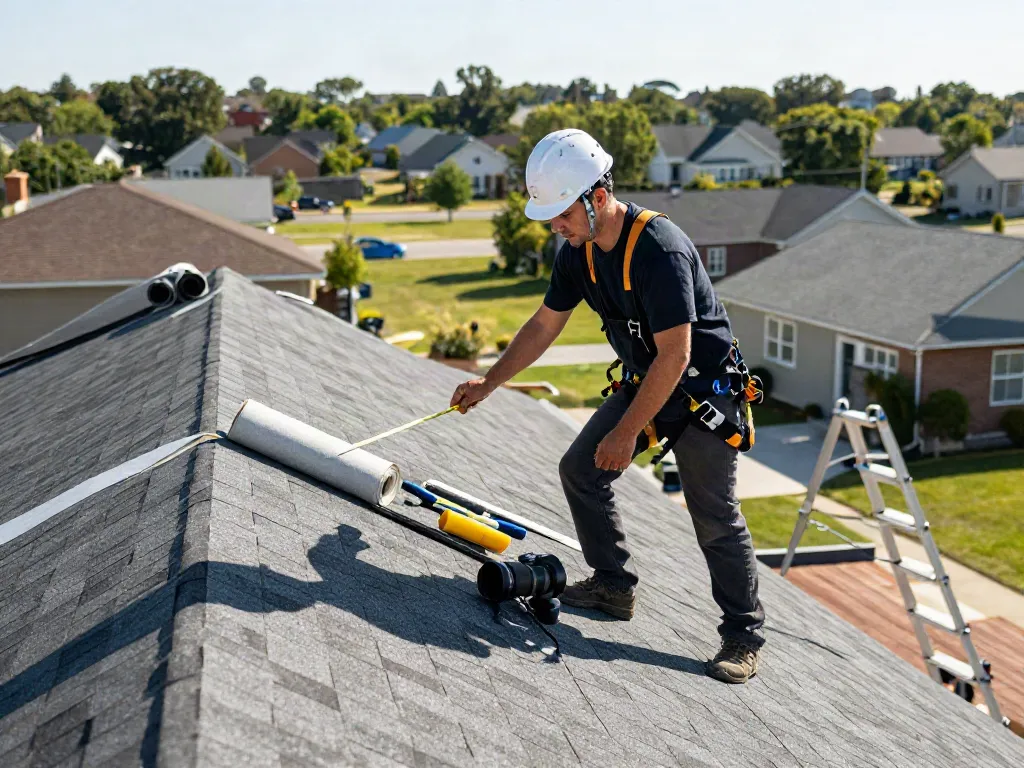
Understanding Felt Roof Replacement
Felt roofing is a crucial component in many residential and commercial buildings in the UK, especially for flat roofs, garages, and extensions. As time goes on, the need for felt roof replacement becomes increasingly important to maintain structural integrity and prevent leaks. Understanding felt roofing, the materials involved, and the signs that indicate it's time for replacement can save homeowners both time and money while ensuring their properties remain protected against the elements.
What Is Felt Roofing?
Felt roofing, also known as built-up roofing, is a type of roofing system commonly used for flat or low-pitched roofs. It typically consists of multiple layers of roofing felt, which are adhered together with bitumen or other adhesive materials. This layered approach ensures that the roof is watertight and offers durability against harsh weather conditions. Felt roofing is an economical choice for many homeowners, as it provides effective insulation and protection without the high costs associated with traditional roofing options.
Common Types of Felt Roofing Systems
There are several variations of felt roofing systems, each designed to cater to different requirements and budgets:
- Bitumen Felt: Often used for its affordability, this type of felt may not be as durable as modern alternatives. It can become brittle over time and may require more frequent replacements.
- Modified Bitumen: This system incorporates polymer-modified asphalt, which enhances flexibility and durability, making it suitable for varying climatic conditions.
- Torch-On Felt: This method involves heating the felt material to create a strong adhesive bond. Torch-on felt is known for its longevity and effectiveness in ensuring a waterproof seal.
The Importance of Professional Installation
While some homeowners may consider DIY installation for their felt roofs, professional installation is recommended to guarantee optimal performance and longevity. Professionals are trained to handle the specific requirements of felt roofing systems, ensuring they adhere correctly and conform to safety standards. Additionally, they can identify potential issues during the installation process, which may save homeowners significant costs associated with future repairs.
Common Problems with Felt Roofs
While felt roofing is a robust choice, it isn't immune to issues. Identifying these problems early can prevent extensive damage and the need for costly replacements.
Identifying Early Signs of Damage
Homeowners should regularly inspect their felt roofs for signs of damage. Common indicators include:
- Bubbles or blisters may indicate trapped moisture.
- Cracks or splits in the felt suggest it may be time for replacement.
- Leaks or water stains inside the building can be a sign of serious roof problems.
Causes of Roof Leaks and Failure
Understanding what leads to roof leaks and failures is essential for prevention. Factors include:
- Poor installation can lead to inadequate sealing at seams and edges.
- Weather fluctuations may weaken materials over time, especially in areas with heavy rainfall or snow.
- Debris accumulation can block drainage systems, increasing the risk of leaks.
Impact of Weather on Felt Roof Longevity
Felt roofs are particularly susceptible to weather-related wear and tear. Prolonged exposure to UV rays can cause the felt to degrade, while heavy rainfall can exacerbate existing vulnerabilities. It's essential for homeowners to take proactive steps in maintaining their roofs to bolster endurance against these elements.
Choosing the Right Roofing Material for Replacement
When it becomes necessary to replace a felt roof, selecting the right material is critical for long-term performance.
Comparing Modern Felt Roofing Options
New advancements in roofing materials have led to more efficient and durable options. Homeowners should compare:
- Durability: Consider how well different materials cope with local weather conditions.
- Installation Process: Some materials may require more skilled labor than others, affecting the overall cost.
- Warranty Options: Review warranties provided by manufacturers to gauge reliability and longevity.
Understanding the Cost of Different Materials
The cost of felt roof replacement can vary widely based on the materials chosen. Generally, more durable options like modified bitumen may come with higher upfront costs but offer significant savings in the long run due to lower maintenance and repair needs.
Evaluating Energy Efficiency and Sustainability
Homeowners today are increasingly concerned with energy efficiency and environmental impact. When selecting roofing materials, consider options that provide better insulation and potentially utilize recycled content, thereby reducing the carbon footprint associated with new roofing installations.
Finding Trusted Roofing Professionals
Choosing the right contractor for your felt roof replacement is vital. The following tips can help ensure you find a reliable professional:
How to Verify Roofer Credentials and Experience
Always check if the roofing contractor is licensed and insured. Request evidence of their experience specifically with felt roofing systems, as this expertise is crucial for a successful installation.
What to Look for in Roofing Quotes
When comparing quotes from contractors, look beyond just the final price.
- Examine the details of the work proposed.
- Ensure the quote includes information about material types and installation methods.
- Check for the presence of warranties and guarantees regarding the work performed.
Importance of Reviews and Recommendations
Before hiring a roofing contractor, it’s beneficial to consult reviews and ask for recommendations from previous clients. This can provide insights into the contractor's reliability, workmanship, and customer service.
Future Trends in Felt Roof Replacement
The roofing industry is continuously evolving with new materials and technologies on the horizon. Keeping abreast of these changes can help homeowners make informed decisions regarding future replacements.
Innovative Materials and Technologies by 2026
Looking ahead, innovations in roofing materials aim to enhance durability and energy efficiency further. Products that incorporate nanotechnology for self-cleaning properties and improved weather resistance are entering the market.
Enhancing Roof Durability Against Climate Change
As climate change leads to more extreme weather patterns, the roofing industry is adapting. New materials designed to withstand high winds and heavy rainfall will play a critical role in future-proofing homes against these challenges.
Tips for Ongoing Roof Maintenance and Care
Even after installing a new felt roof, regular maintenance is essential for longevity. Homeowners should consider:
- Conducting regular inspections for signs of wear or damage.
- Keeping gutters and drainage systems clear to prevent water accumulation.
- Scheduling professional assessments at least once a year to ensure optimal performance.
Can I refelt a roof myself?
While DIY refelting is possible, it requires specific skills and tools. Professional installation is recommended to avoid future issues.
What is the life expectancy of a felt roof?
The average lifespan of a well-installed felt roof is typically 15-20 years, depending on the materials used and maintenance performed.
Should you remove old felt when replacing a roof?
Removing old felt can help prevent moisture retention that could damage the new roof. However, in some cases, it may be possible to lay new felt over the old material.
Can you put new felt on top of old felt?
While it's technically feasible to lay new felt over existing felt, this practice is typically not recommended due to potential moisture issues and other complications.
What is the average cost of felt roof replacement?
The cost of replacing a felt roof can range from £1,500 to over £5,000, depending on the size of the roof and the materials chosen. It’s advisable to obtain multiple quotes to find the best option.